
Foundational Thinking Skills Strengthen Core Academic Outcomes
District leaders today are being asked to do several things at once:
- Improve literacy and math outcomes
- Introduce computational thinking to prepare students for an AI-driven world
- Support teachers without adding complexity or burden
Education has treated literacy, math, and AI readiness as separate.
But research suggests the foundational thinking skills that power them are the same.
Foundational Thinking refers to the core cognitive skills that allow young children to understand symbols, follow sequences, recognize patterns, and solve problems. These skills develop before fluent reading and formal mathematics, and research suggests that they are among the strongest predictors of a child’s long-term academic success.
These are not separate from academic subjects. They are the shared cognitive foundation beneath literacy, math, science, and computational thinking. This creates an opportunity for districts.
Codie Blocks operationalizes Foundational Thinking through a simple, developmentally aligned system designed for PreK–2 learners that combines hands-on sequencing with visual symbols, animated stories, guided discussions, app-based activities, and teacher-ready classroom materials. Students work with the same core cognitive skills that support reading comprehension, mathematical reasoning, and problem-solving— before they are fluent readers.
Codie Blocks fits within existing classroom routines.

Request more information
Trusted By:





From the makers of Mia & Codie
Meet Mia, the 8-year-old girl who loves to code, and Codie, the "bro-bot" she built to be the little brother she's always wanted. Children can follow Mia and Codie along on their exciting adventures while being introduced to pre-coding concepts like symbolism, debugging, and sequencing.
As seen on PBS Member Stations
Real Teachers, Actual Classrooms, Great Results
Codie Blocks gives schools a practical, scalable way to build computational thinkers in the earliest grades - without burning out teachers.
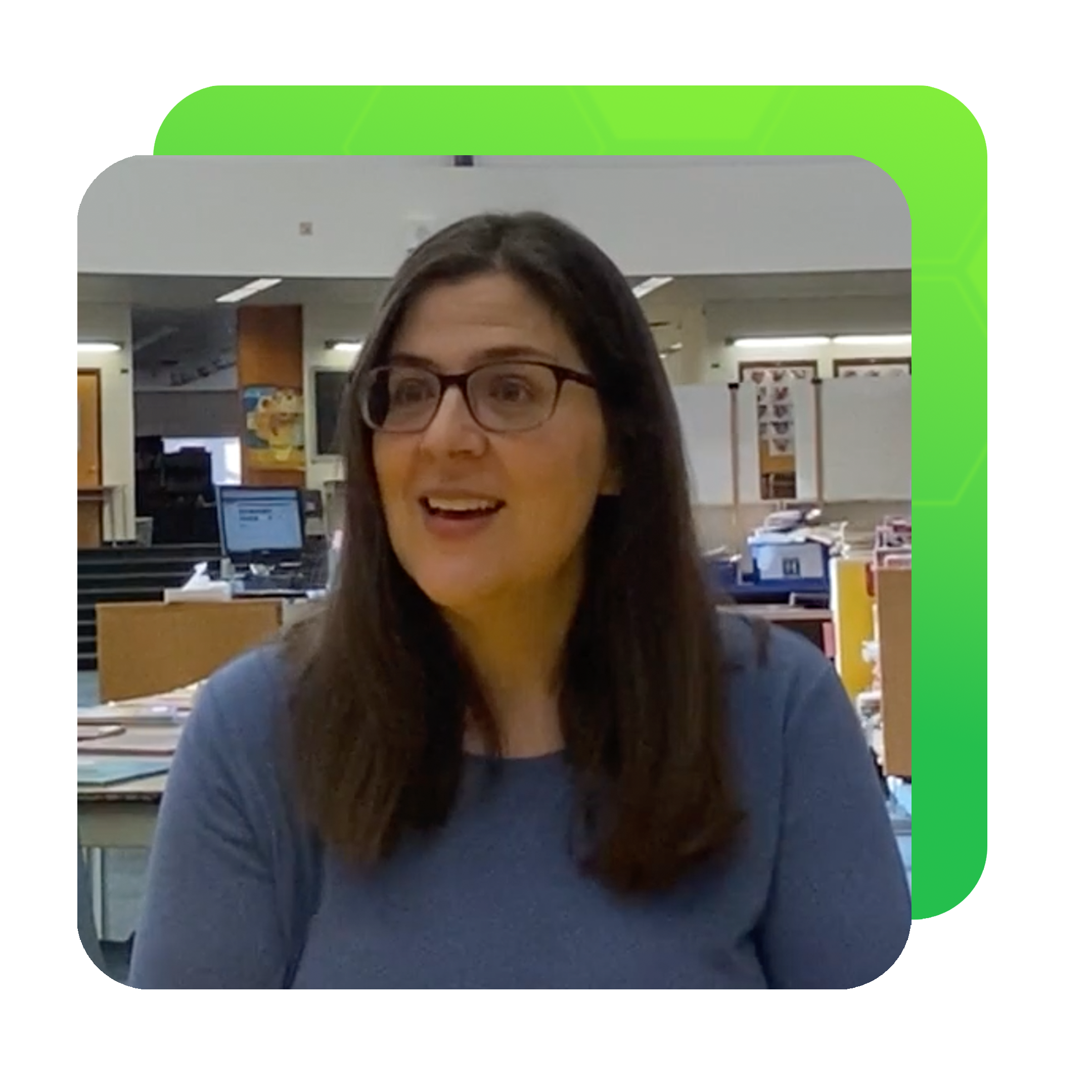
"It's challenging enough that it kept [students] engaged, but not too challenging that they couldn't move on [to the next challenge]."
Kellie Ierulo, Teacher Librarian / STEM Teacher
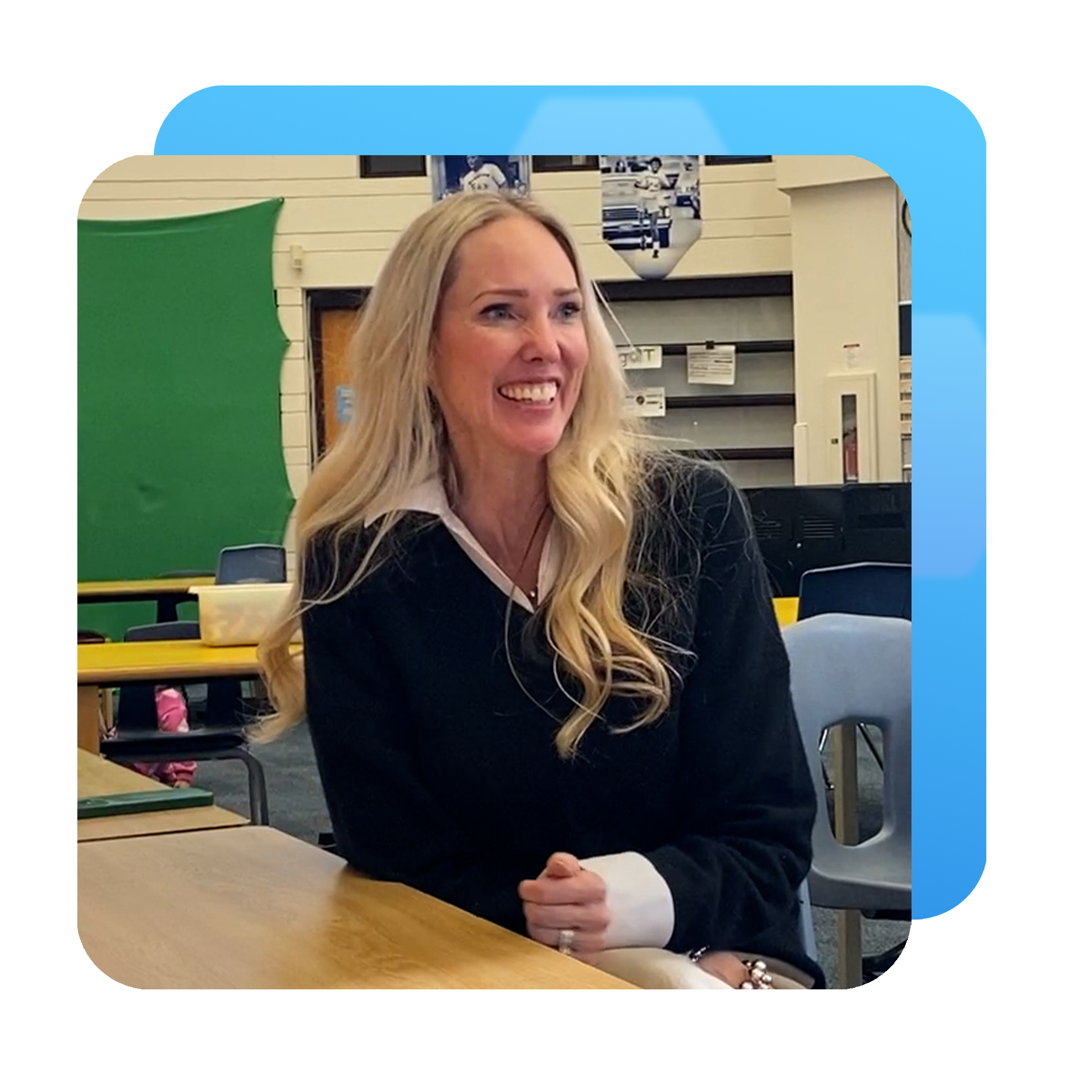
"I like that it's an absolute no-risk, highly engaging activity to make everyone feel coding is fun."
Kelly Buchanan, Kindergarten Teacher

"If I knew it [coding] was this easy, I'd have been teaching it sooner."
Sharon Lee, Kindergarten Teacher
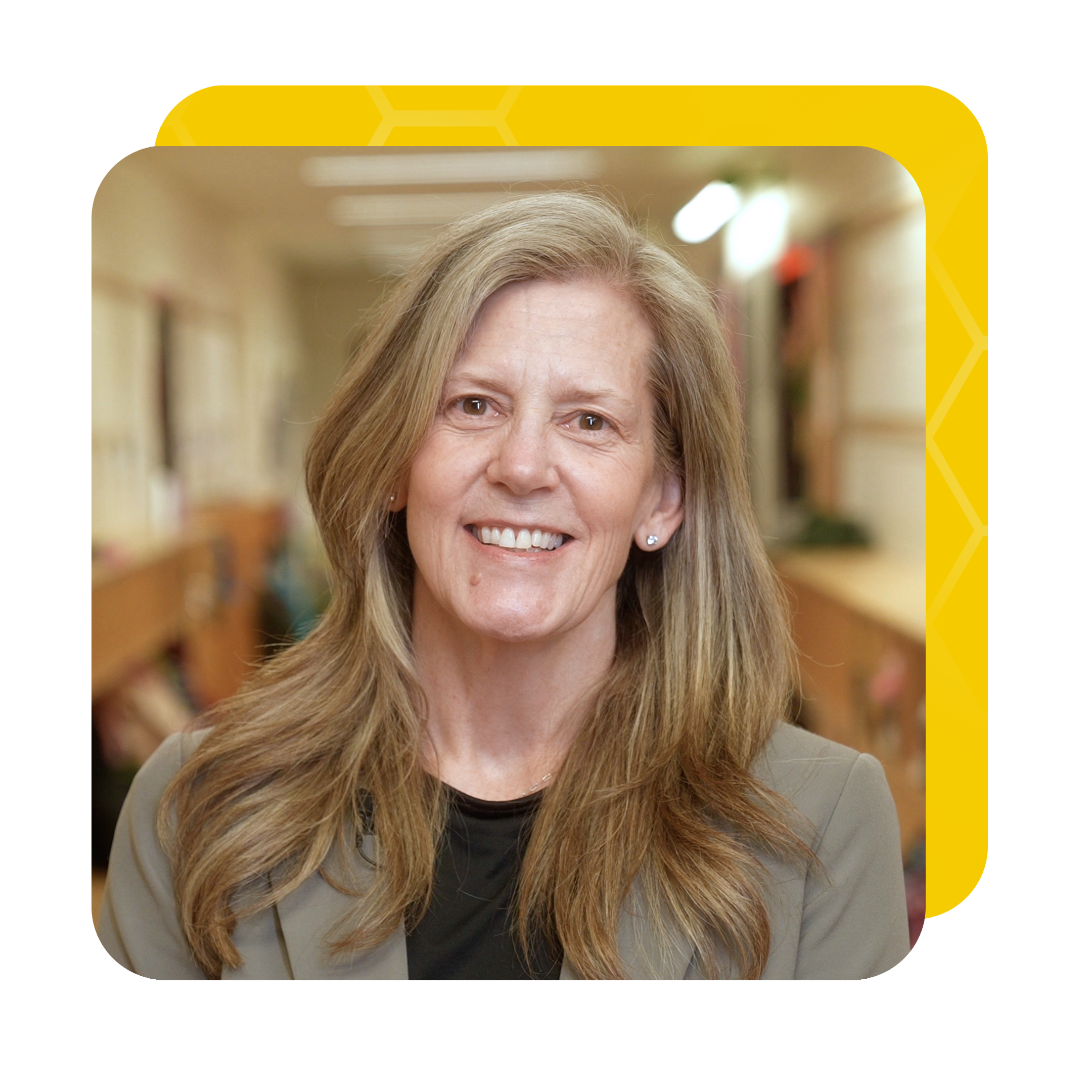
"It's definitely a great way to introduce your kids to coding, to not be intimidated by the word coding, and to know that it's fun and you can be successful and get the job done."
Megan McRae, Teacher
See why so many teachers (and kids!) love Codie Blocks
FAQ
Not at all! We've designed Codie Blocks to be easy for anyone to teach. Try out the lessons and check out the videos included in the free trial for yourself.
Didn't find your answer? Click below for more frequently asked questions or contact us.
References
Research shows that early cognitive and mathematical skills strongly predict later academic achievement (Duncan et al., 2007).
Structured skill development is essential for reading proficiency (National Reading Panel, 2000).
Executive function and self-regulation are associated with early math and literacy performance (Blair & Razza, 2007).
More broadly, learning science research highlights the role of underlying cognitive processes in supporting transfer across subjects (National Academies of Sciences, 2018).